I remember sitting in my realtor friend’s office at 11:00 PM on a Friday. We were staring at a $2,400 invoice for physical staging on a vacant two-bedroom condo. The furniture was rented, the movers were scheduled, and the seller was breathing down our necks. I looked at him and said, “Let me take a shot at this with a platform instead.” Two days and $150 later, the listing was live, and the photos looked better than the rental inventory would have. That was the moment I https://dlf-ne.org/what-technical-skills-do-i-need-to-start-virtual-staging-in-30-minutes/ realized that virtual staging isn't just a cost-saver—it’s a lead generation machine.
If you want to win more listings, your before-and-after staging gallery needs to do more than just show off nice furniture. It needs to sell the vision of a lifestyle. Here is how you turn your staging efforts into a client-converting engine.
The Great Debate: AI Virtual Staging vs. Physical Staging
Let’s talk numbers. Physical staging is fantastic for luxury properties where buyers need to "feel" the scale of a room. But for 90% of the market, it’s an unnecessary overhead that kills your net profit. Virtual staging has evolved from those "cartoon-looking" edits of 2018 to hyper-realistic masterpieces that can fool even a seasoned appraiser.
The Cost Efficiency Breakdown
When you’re pitching a seller, you aren’t just talking about decor; you’re talking about their bottom line. Here is a quick comparison of what you’re likely to see in the current market:
Feature Physical Staging Virtual Staging (e.g., BoxBrownie) Average Cost $2,000 – $5,000+ $32 – $48 per image Turnaround 3 – 7 days 24 – 48 hours Flexibility Rigid (Inventory-dependent) Limitless (Any style, any room)If you tell a seller you can save them $2,000 while making their home look like a Pinterest board, your conversion rate for listing presentations will skyrocket. It’s not just about the money; it’s about the 48-hour window you need to get the listing live before the weekend rush.
"Did You Reshoot the Photo First?"
I ask every single one of my clients this question, and yet, I still see people trying to stage photos taken with a smartphone in a dark basement. Stop it. If the base photo is garbage, the virtual staging will look like garbage.
I keep a running list of "rooms that break AI," and guess what? They are almost always the rooms that were poorly shot to begin with. AI struggles with:
- Dark Rooms: If the natural light isn't there, the virtual shadows will look like misplaced ink blobs. Narrow Kitchens: AI has a tendency to stretch furniture, making your kitchen look like a funhouse mirror. Awkward Angles: If your camera angle is too high or too wide, the furniture scale will be off, and buyers will immediately smell a rat.
Pro-tip: Before you even think about virtual staging, invest in professional photography. You cannot build a high-converting gallery on a shaky foundation.
Achieving Photorealism: Scale, Shadows, and Lighting
The biggest reason virtual staging fails to convert is that it looks "fake." Buyers are smart. They look for the shadows. If the room has light coming from the left, but the shadows under the staged sofa are pointing toward the light source, the cognitive dissonance kicks in. Your lead is now suspicious.
The Checklist for Perfection:
Check the Scale: A sofa should not look like it’s meant for a toddler, nor should it swallow the entire room. If you’re using a platform like BoxBrownie, ensure you give the editors clear instructions on the room size. Mind the Shadows: Shadows should be soft and grounded. If they are razor-sharp, the image screams "Photoshop." Match the Lighting Temperature: Warm tungsten light in the lamps should match the natural sunlight hitting the hardwood.Turnaround Times and Listing Deadlines
Real estate is a game https://smoothdecorator.com/will-virtual-staging-help-my-zillow-listing-get-more-clicks/ of speed. If you are waiting 72 hours for your staging edits, you’ve already lost the Monday morning search traffic. I count everything in time-based blocks: 30 seconds to upload, 24 hours for a standard turnaround, and 48 hours if it’s a high-volume batch job.
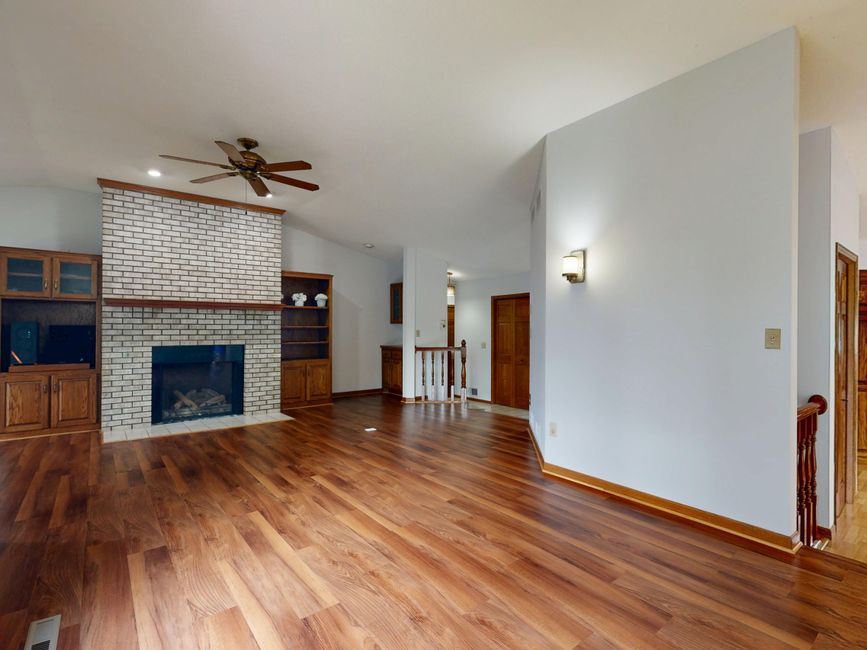
When you present your before-and-after gallery to a potential client, mention the turnaround time as a selling point. "Mr. and Mrs. Seller, we can have this entire house furnished, styled, and live on the MLS in under 48 hours, so we don't miss the weekend open house traffic." That creates urgency and proves you have a system.
The Ethics of Virtual Staging: MLS Workflow and Disclosure
Nothing kills a lead faster than a potential buyer walking into a vacant house that looks nothing like the listing photos. It destroys trust, and frankly, it can get you into trouble with your local MLS board or state commission.
The Disclosure Rules
- Label It: Always use a watermark or a clear caption stating "Virtually Staged." Be Transparent: Include a disclosure in the private remarks of your MLS listing. Side-by-Side: When possible, show the original photo in your gallery. Transparency builds authority. People trust the agent who shows them the reality *and* the vision.
Crafting Your High-Converting Gallery
When building your portfolio for prospective clients, don't just dump a dozen photos into a folder. Curate the experience. Use a layout that emphasizes the transformation:
The "Conversion Layout" Strategy
On your landing page or in your PDF presentation, arrange your photos in a grid where the "After" image is the hero (large), and the "Before" is a thumbnail (small) tucked in the corner. If the visitor wants to see the reality, they click the thumbnail. This showcases the final result as a lifestyle product while remaining honest about the starting point.
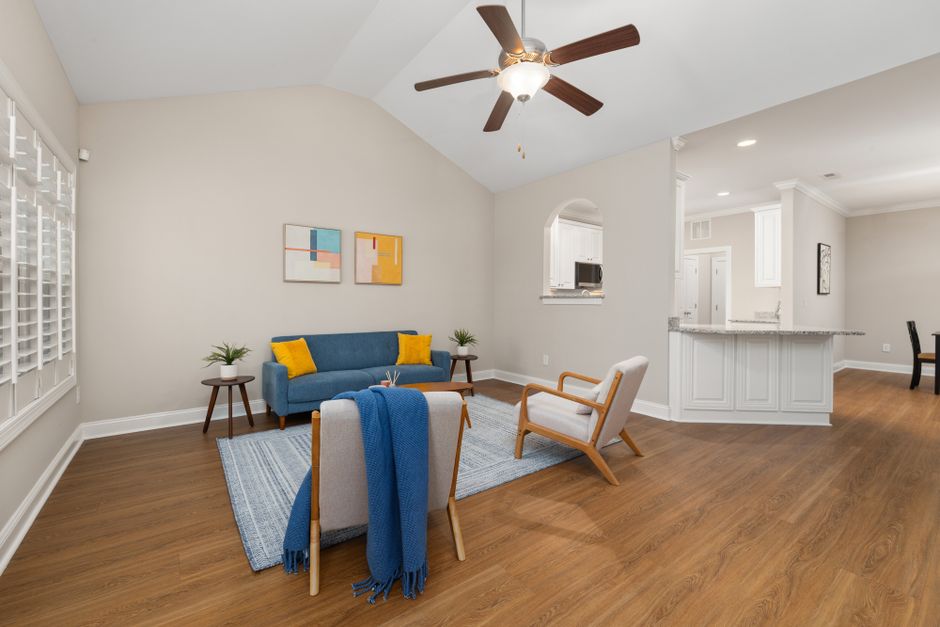
Remember, you aren't selling pixels; you're selling a future home. Use virtual staging to fill in the blanks that the buyer's imagination might leave empty. A vacant room is a cold, mathematical space. A staged room is a place where they can imagine their Sunday morning coffee.
Keep your shadows soft, your scale accurate, and always, always make sure you’ve reshot that room properly before you send it to the editors. That is how you turn a virtual staging bill into a closed deal.